The Ultimate Guide to Video Game Genres
Video games have evolved dramatically since their inception, becoming a massive part of the entertainment industry. Whether you’re a seasoned gamer or just starting to explore the world of gaming, understanding the various video game genres is essential. Platforms like Slot Gacor have made it easier than ever for players to find games that fit their preferences, thanks to the classification of games into distinct genres. These genres, each offering unique experiences, play a crucial role in shaping a player’s journey and interaction with a game. In this article, we’ll explore the most popular video game genres, break down their key features, and help you understand which genres might be the best fit for your gaming style.
1. Action Games
Action games are the heart and soul of many gaming experiences. These games focus on physical challenges, including hand-eye coordination, reaction time, and quick thinking. Whether it’s blasting through waves of enemies, navigating through perilous environments, or solving puzzles under pressure, action games emphasize an adrenaline-filled experience.
Key Features:
- Fast-paced gameplay
- Combat-focused mechanics
- Reflex-based challenges
- Often feature a story-driven narrative or adventure
Popular Examples:
- Devil May Cry
- Grand Theft Auto V
- Assassin’s Creed
Action games are perfect for players who enjoy immediate, intense gameplay that rewards quick reflexes and skillful combat.
2. Adventure Games
Adventure games focus heavily on exploration, puzzle-solving, and narrative-driven gameplay. They often take place in large, immersive worlds where players can engage with characters, environments, and story elements. Unlike action games, adventure games tend to prioritize a slower pace and cerebral engagement.
Key Features:
- Focus on exploration and story
- Puzzle-solving and interactions with the environment
- Often involves a rich narrative and character development
- May include combat or strategy elements, but it’s secondary
Popular Examples:
- The Legend of Zelda: Breath of the Wild
- Uncharted
- The Walking Dead (Telltale series)
Adventure games are ideal for those who enjoy discovering new worlds, solving mysteries, and getting lost in compelling stories.
3. Role-Playing Games (RPGs)
Role-Playing Games (RPGs) allow players to take on the role of a character within a detailed, often fantastical world. In these games, players usually make decisions that impact the game’s storyline, character progression, and even world-building. RPGs are known for their deep narrative structures, customization options, and often, an element of grinding to improve characters.
Key Features:
- Character creation and customization
- Deep world-building and lore
- Story-driven gameplay with branching paths
- Combat can be turn-based or real-time, depending on the game
Popular Examples:
- The Witcher 3: Wild Hunt
- Final Fantasy VII
- Skyrim
RPGs are perfect for players who enjoy intricate world-building, character progression, and immersive storytelling.
4. Shooter Games
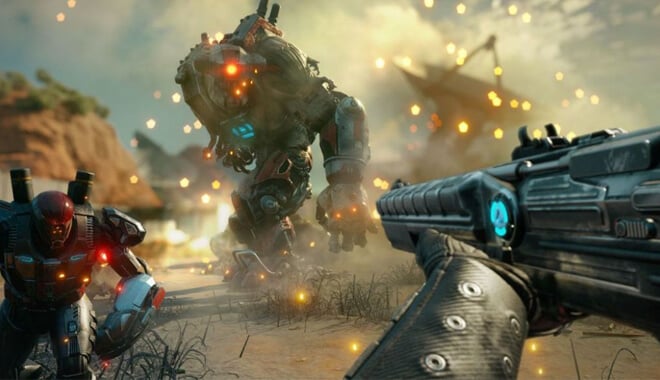
Shooter games revolve around the use of firearms or other ranged weapons, focusing on combat with enemies. These games can be first-person (FPS), where you experience the game from the character’s perspective, or third-person (TPS), where you view your character from behind. Shooter games often have multiplayer modes, where players compete against each other in teams or individually.
Key Features:
- Combat-based gameplay with firearms or projectiles
- Can be first-person or third-person
- Strategic use of cover and weapons
- Multiplayer modes are often prevalent
Popular Examples:
- Call of Duty
- Overwatch
- Fortnite
Shooter games are ideal for players who enjoy fast-paced action, tactical combat, and multiplayer competitiveness.
5. Simulation Games
Simulation games aim to replicate real-world activities or systems in a virtual environment. These games are often less about action and more about management or life-simulation, offering players the opportunity to engage in activities they might not be able to do in real life, such as running a city, farming, or flying a plane.
Key Features:
- Replicates real-world activities or environments
- Focus on strategy, management, and creativity
- Often slower-paced and more relaxing
Popular Examples:
- The Sims
- SimCity
- Microsoft Flight Simulator
Simulation games are great for players who prefer thoughtful, low-stress gameplay that involves management or creativity.
6. Strategy Games
Strategy games are all about planning and decision-making. Players must carefully think through their moves to outsmart opponents, whether they’re leading an army into battle, managing a city, or solving complex problems. These games can be turn-based or real-time, with the goal of outthinking the enemy rather than relying on reflexes.
Key Features:
- Emphasis on planning, tactics, and decision-making
- Can be turn-based or real-time
- Complex systems and mechanics often require in-depth understanding
Popular Examples:
- StarCraft
- Civilization VI
- XCOM 2
Strategy games appeal to players who enjoy thinking several steps ahead and making calculated decisions.
7. Fighting Games
Fighting games pit characters against each other in one-on-one combat or team battles, often with a focus on timing, technique, and mastering a character’s moveset. These games can be highly competitive, with players using their skills to defeat opponents in various tournaments or story modes.
Key Features:
- Combat-focused gameplay with unique characters
- Combos and special moves to master
- Often involves multiplayer battles
Popular Examples:
- Street Fighter
- Mortal Kombat
- Super Smash Bros.
Fighting games are perfect for players who love competition and enjoy mastering intricate combat mechanics.
8. Sports Games
Sports games simulate real-life sports, offering players the chance to experience various athletic activities without leaving their homes. These games focus on the rules and techniques of the respective sports, often offering both solo and multiplayer modes to compete with friends or AI-controlled teams.
Key Features:
- Simulates real-world sports and athletic events
- Includes team-based or individual gameplay
- Realistic physics and mechanics
Popular Examples:
- FIFA
- NBA 2K
- Madden NFL
Sports games cater to players who enjoy competition and want to engage in their favorite real-world sports from the comfort of their own home.
9. Horror Games
Horror games are designed to create a sense of fear and tension, often involving supernatural or psychological elements. These games typically utilize atmospheric design, jump scares, and dark narratives to keep players on edge.
Key Features:
- Atmosphere-heavy with the aim of inducing fear or tension
- Can include puzzles, exploration, or combat
- Often features a creepy or horrifying storyline
Popular Examples:
- Resident Evil 7
- Silent Hill 2
- Amnesia: The Dark Descent
Horror games are great for players who enjoy being scared and want to experience fear in a controlled, virtual environment.
Conclusion
Understanding video game genres is key to enhancing your gaming experience, whether you’re a casual player or a hardcore enthusiast. Games are categorized into genres to help players find the right type of experience they’re looking for, whether that be action, strategy, or role-playing. Platforms like Slot Gacor further streamline the discovery process by allowing players to filter games by genre, ensuring that they find something that suits their tastes. As the gaming industry continues to evolve, expect more innovative genres and hybrid games that continue to push the boundaries of what gaming can be, allowing everyone to find the perfect game to fit their interests and mood.
 Site Title